Elevate Your Visual Projects with the Warehouse Icon Pack
Every designer, developer, and content creator knows the frustration of searching through scattered icon libraries, trying to find a consistent set that actually covers the services and ideas they need to represent. You might need a clean delivery icon, a recognizable cloud storage symbol, or a sleek customer support graphic—and you need them to look like they belong together. This is exactly where the Warehouse Icon Pack steps in to simplify your workflow and sharpen your visual communication.
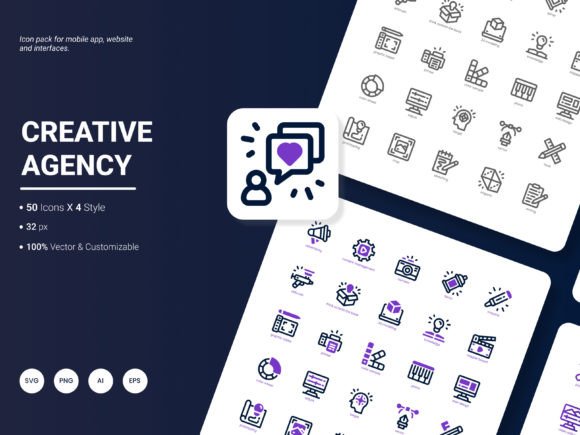
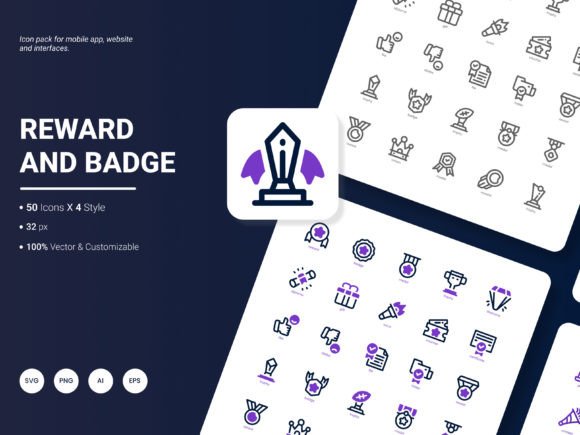
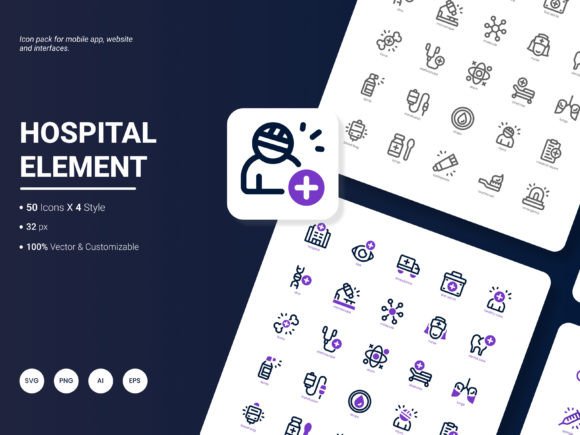
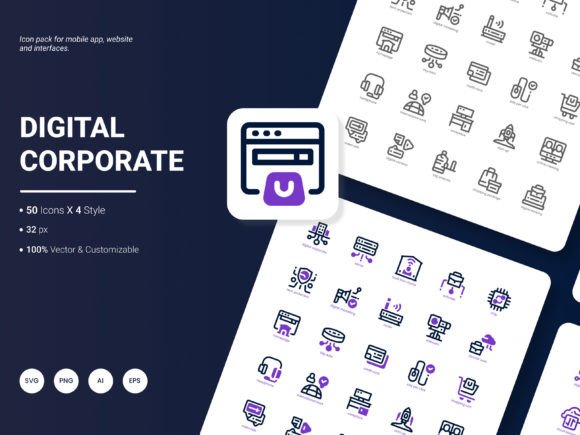
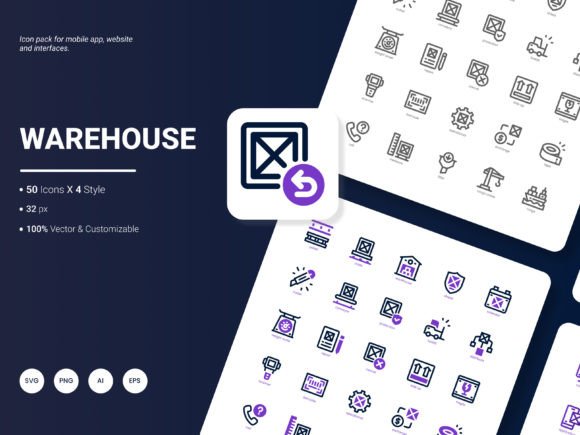
This collection brings together 200 carefully crafted icons that span the most popular services and concepts used in modern digital projects. Whether you are building a website for a logistics company, designing an app interface for a retail platform, or putting together an internal business presentation, having a unified visual language saves time and creates a professional impression that scattered, mismatched icons simply cannot deliver.
Why Visual Consistency Matters More Than You Think
When users land on a website or open an app, they form an opinion within seconds. Part of that split-second judgment comes from visual harmony. Icons that vary in line weight, color saturation, or stylistic approach create subtle friction. The brain registers something as "off," even if the viewer cannot articulate why. The Warehouse Icon Pack eliminates this problem by providing icons designed within a cohesive visual system, so every symbol feels like part of the same family.
This consistency extends across all the formats you might need. You might pull an SVG for your responsive website, use a PNG for a quick mockup, and later need an editable AI file when your brand guidelines shift. Having all of these options ready to go means you never have to pause your project to hunt for a matching icon in a different format. The flexibility here addresses a real pain point for teams that juggle multiple tools and output types throughout a single project lifecycle.
Who Benefits Most from a Comprehensive Icon Collection
Different roles approach icon selection with different priorities. A UI designer might care most about pixel-perfect SVG rendering across screen densities. A presentation designer needs high-resolution PNGs that look sharp on a conference room projector. A marketing professional building infographics wants editable vector files that can be recolored to match brand palettes without losing quality. The Warehouse Icon Pack speaks to all of these needs simultaneously, offering six distinct file formats that cover the spectrum of real-world use cases.
Web and App Designers
For those building digital interfaces, the availability of AI, EPS, and SVG formats means icons can be scaled infinitely without degradation. You can adjust stroke widths, tweak corner radii, or recolor entire sets to align with your design system. The editable nature of these files gives you control that raster-only icon packs simply do not offer. When your app needs a logistics section with matching warehouse, shipping, inventory, and tracking icons, you can pull from a unified source rather than patching together symbols from three different places.
Business and Marketing Teams
Presentations and reports often suffer from clip-art fatigue—those generic, outdated visuals that undermine credibility. Using the PNG and JPG formats from this collection, you can quickly populate slides, whitepapers, and case studies with modern, relevant imagery. An analytical report on supply chain efficiency becomes much clearer when supported by precise iconography that illustrates concepts like storage, distribution, and fulfillment. The popular content areas covered by the Warehouse Icon Pack align well with common business communication themes.
Content Creators and Educators
Infographics, blog headers, and educational materials all benefit from clear visual anchors. When explaining a process or comparing services, icons act as mental shortcuts for your audience. A well-placed symbol can replace a full sentence of explanation. Having 200 options at your fingertips means you can find the right visual metaphor for nearly any concept you need to convey, from customer support to data analytics to eco-friendly practices.
Practical Applications That Go Beyond the Obvious
While the name might suggest a focus on logistics and storage, the scope of this icon pack extends much further. Let's explore some real-world scenarios where having a diverse, stylish icon set changes the outcome of a project.
Imagine you are designing a dashboard for a SaaS platform that manages inventory, orders, and customer relationships. You need icons for warehouse operations, but you also need symbols for chat support, user profiles, payment methods, and notification alerts. Instead of licensing multiple icon packs and wrestling with style mismatches, you can rely on one source that covers the full range of services your interface needs to represent. This reduces design debt and keeps your asset library manageable.
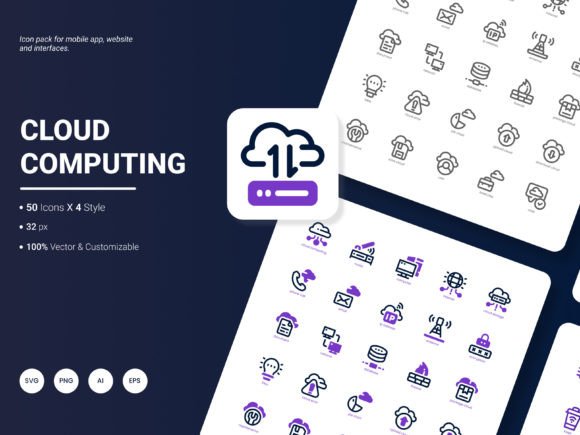
For freelancers juggling client work across industries, the versatility of this collection is a significant advantage. Monday might bring a project for a moving company that needs packing and transportation icons. Wednesday could involve a tech startup's pitch deck requiring cloud computing and cybersecurity symbols. Having a single, style-consistent icon pack that covers both traditional warehouse concepts and broader digital services means fewer subscriptions, less file management, and faster turnaround times.
How Format Flexibility Shapes Your Workflow
One of the most practical aspects of the Warehouse Icon Pack is the multi-format availability. Let's break down how each format serves a distinct purpose in a typical workflow, because choosing the right format at the right stage can save hours of rework.
The AI and EPS formats are your editable foundation. Use these when you need to customize colors, adjust shapes, or integrate icons into a larger vector composition. They are the starting point for branding work where precise color matching matters. SVG files shine in web and app contexts—they are lightweight, resolution-independent, and can be styled with CSS or JavaScript for interactive effects. When you need a quick raster graphic for a slide deck or social media post, the PNG format provides transparency support and consistent quality. PDF files offer easy sharing and printing compatibility, while JPG format handles situations where file size needs to be minimal and transparency is not required.
Having all six formats available from the start removes the need for conversion tools or format-specific requests to designers. Every team member can access what they need, when they need it.
Four Distinct Styles for Four Different Vibes
The inclusion of four visual styles within the Warehouse Icon Pack acknowledges that one aesthetic does not fit every brand or project. A sleek fintech app might demand thin, minimal line icons, while a family-oriented delivery service website could benefit from thicker, friendlier outlines or even filled glyph styles. A corporate logistics presentation might lean toward solid, authoritative icon designs.
This stylistic range means you can maintain visual consistency across different sub-brands, campaign landing pages, or product tiers without switching icon libraries. You might use one style for the main corporate website and another for a seasonal marketing microsite, all while keeping the same reliable content coverage and quality. The icons remain recognizable as part of the same family, but the tone shifts to match the context.
Editable Icons and the Freedom to Adapt
Pre-made icons save time, but locked-down, uneditable icons create limitations. The editable nature of the vector formats in this collection puts creative control back in your hands. Need to increase the stroke weight for better readability on a dark background? You can do that. Want to adjust the proportion of a specific icon to better fit a button shape? No problem. This adaptability extends the useful life of the icon pack because your needs will inevitably evolve as projects mature and brand guidelines change.
For teams working with tight brand standards, this editability is non-negotiable. A purchasing icon might need to match the exact shade of your brand's accent color. A security shield icon might need a slight modification to echo your logo's curve treatment. With editable source files, these adjustments take minutes rather than requiring a fully custom illustration process.
Making Smart Choices for Long-Term Design Assets
When evaluating any design resource, consider longevity. Trendy icons that look dated in six months create more work down the line. The Warehouse Icon Pack strikes a balance between feeling fresh and remaining timeless enough to serve you through multiple project cycles. The focus on popular, widely recognized concepts—rather than fleeting visual gimmicks—helps ensure that the icons you use today will still communicate effectively tomorrow.
Another practical consideration is the breadth of content coverage. You may initially download the pack for a specific warehousing or logistics project, but the included icons span well beyond that niche into general business, technology, and service categories. This means your investment continues to pay off as new project needs arise. A single icon pack that serves your e-commerce site today might also populate your client portal redesign next quarter and your annual report template at year-end.
Integrating Icons Seamlessly Into Your Existing Workflow
Implementation matters just as much as asset quality. Drag-and-drop simplicity with PNG and JPG files works for quick tasks. For deeper integration, importing SVG or AI files into design tools like Figma, Sketch, or Adobe XD lets you build reusable component libraries. Developers can reference SVG files directly in code, keeping page load times low while maintaining visual crispness across devices.
To get the most out of the Warehouse Icon Pack, consider organizing the files by style variant first, then by concept category. Create a project folder structure that mirrors how you search for icons—by function rather than by format. This small upfront organization effort pays dividends when you are mid-project and need to find the perfect symbol quickly.
For collaborative teams, storing the icon pack in a shared cloud folder or a design system library ensures everyone accesses the same versions. This prevents the all-too-common scenario where different team members use different icon sets without realizing it, leading to visual inconsistency that requires time-consuming cleanup later.
Looking Ahead: Evolving Your Visual Toolkit
No icon pack can cover every conceivable concept, which is why ongoing updates and expansions matter. As industries change and new services emerge, the visual vocabulary needs to grow. Feedback from real users shapes which icons get added next. Whether the next update includes more specialized logistics symbols, expanded technology categories, or entirely new service verticals, the goal remains the same: providing a comprehensive, stylish, and practical resource that keeps pace with the projects you actually work on.
Investing in a well-rounded icon pack today means fewer last-minute searches, less visual inconsistency, and more time spent on the creative work that actually moves projects forward. The Warehouse Icon Pack offers that foundation—200 icons, multiple formats, editable files, and a range of styles that adapt to your needs rather than forcing you to adapt to limitations.